

Homeowners
Protect your most valuable asset and the place your family calls home. Speak with a broker to compare rates on homeowners insurance with quotes from Ontario’s top insurers.
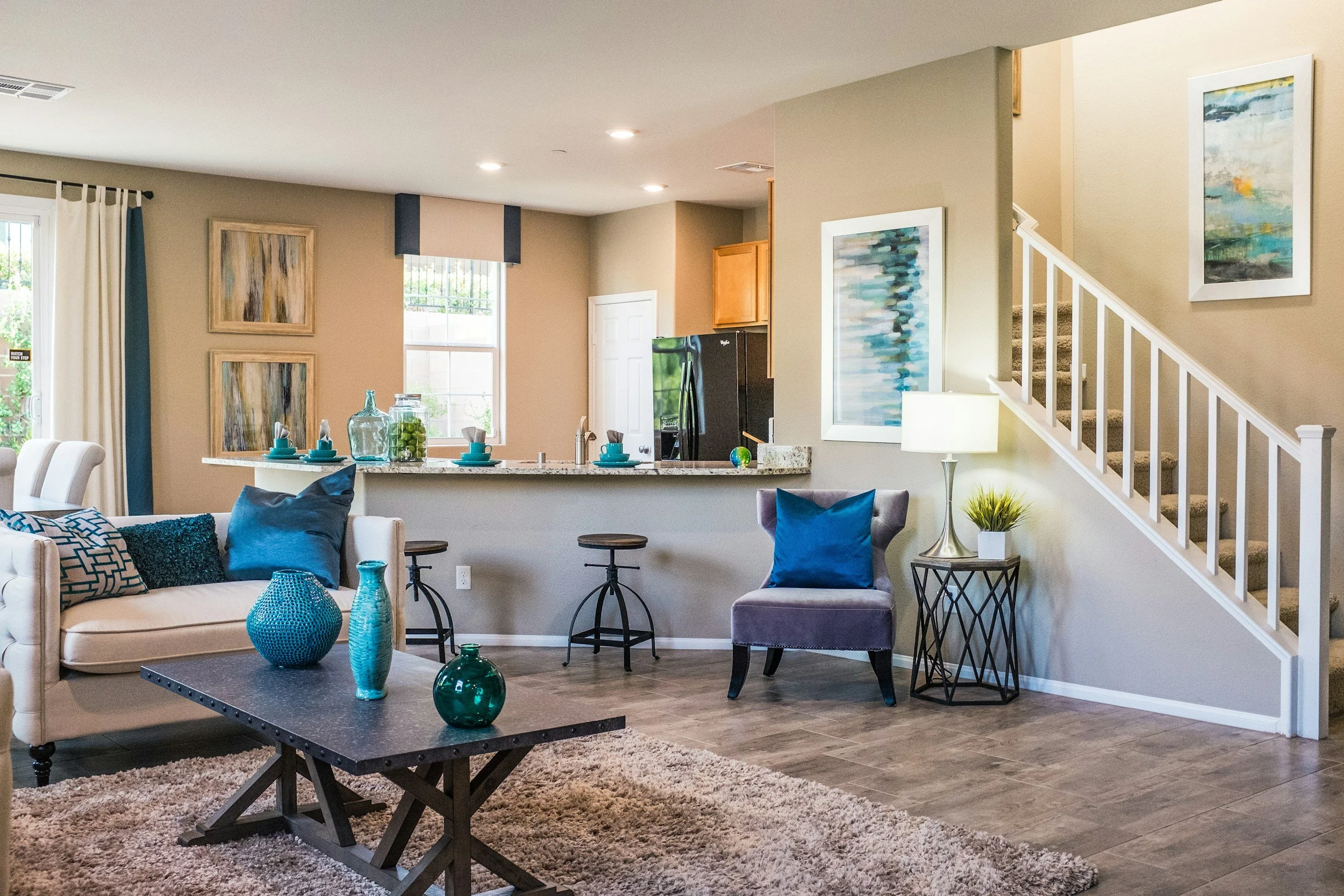
Ontario Homeowners Insurance
Your home is one of the largest investments you will make. Homeowners insurance is designed to protect that investment, and the things inside it, from unexpected events such as fire, theft, water damage, windstorms, and other insured losses.
But homeowners insurance is about much more than simply protecting the building. A properly structured policy can protect your belongings, provide liability coverage, and help cover additional living expenses if your home becomes uninhabitable following a covered loss.
The goal of homeowners insurance isn't necessarily to insure everything imaginable. It's to identify the risks that could have a meaningful financial impact on you and make sure those risks are properly addressed.
Your home should be insured based on its rebuilding cost, not simply its market value. Your contents should be appropriately protected, and your liability limit should reflect your personal circumstances and exposure.
It's also important to review your insurance when circumstances change. Renovations, additions, new possessions, rental arrangements, home-based businesses, changes to the occupants of the home, and other lifestyle changes can all affect your insurance needs.
What does homeowners insurance cover?
In Ontario, homeowners insurance protects your home, your belongings, as well as accidents and injuries on your property. Here’s a closer look at what’s included with basic coverage:
The building
Includes coverage for your foundation, walls, roof and the structure of your house from damage caused by fire, storms, vandalism and more.
Personal liability
If someone is accidentally hurt on your property or their belongings are damaged, your home insurance will pay for the damages caused.
Your belongings
Your personal belongings, like electronics, furniture and clothing, are covered for theft, water or fire damage, even when they’re not in the home.
Medical expenses
Covers minor medical costs if someone hurts themselves on your property, whether you’re liable or not. It helps avoid hassles associated with lengthy liability claims.
Detached structures
Any structure on your property not connected to your home, like a detached garage, shed or gazebo, is covered for fire, storm damage and more.
Minor property damage
If you are responsible for minor damage to someone’s property, this coverage pays for the damage without going to court.
Living expenses
Expenses like alternate accommodations and meals can be covered if you have to temporarily live somewhere else after a claim because of damage to your home.
Other options to consider
Sewer backup
It happens more often than you think, but sewer backup isn’t covered under homeowners insurance unless you specifically add it.
Overland water
If a river overflows and your basement floods, it’s only covered if you have overland water protection. This can be difficult to get in some areas.
Ground water
Groundwater coverage protects your home if water seeps in through cracks in your foundation. Not all companies offer it, but it’s worth considering if available.
Service line
For exterior water and sewer lines that connect your house to the main system. The city or municipality will often not cover the damage i.e. broken pipes due to tree roots.
Earthquake
This coverage is more expensive in areas known for seismic activity. Deductibles can be high, but it might make sense for you.
Identity Theft
Financial crimes related to identity theft and cyber hacks are becoming far to common these days. Coverage can often be added to your home policy.
Frequently asked questions about home insurance
-
All home insurance has exclusions or types of damage that are not covered. Some common exclusions include:
Losses due to war or terrorism
Losses when the home is vacant for more than 30 days
Losses caused on purpose by the homeowner (arson or fraud)
Losses caused by insects or animals
Losses while you’re doing renovations or construction
Some other types of loss are generally excluded but can be covered by purchasing an endorsement or a separate policy, for example:
Builder’s risk insurance covers your home while it’s under renovations
A sewer backup endorsement adds coverage that’s usually excluded if your plumbing backs up.
Overland flooding and groundwater endorsements cover other types of water infiltration that are usually excluded
Earthquake damage is not ordinarily covered, but you can add it through an endorsement.
-
What you paid for your home, and how much it would cost to rebuild it after something like a fire, are different in terms of price and value. What someone is willing to pay for a home drives the selling price and value, whereas the cost of materials, labour and compliance with building regulations impacts the price to rebuild your home after a claim. Your insurance coverage is based on how much it would cost to rebuild your home, not how much your home would sell for.
-
Most banks and financial institutions prefer that your home is covered by a comprehensive homeowners policy. This coverage protects your home against most kinds of loss or damage. While a comprehensive homeowners policy doesn’t cover every possible type of loss, it certainly covers those that are most likely to happen. It’s also common for banks to ask if you have Guaranteed Replacement Cost coverage. This inexpensive, optional coverage will pay out whatever amount is required to completely rebuild after a major claim – regardless if the cost is higher than the limit shown on your policy documents. Guaranteed Replacement Cost also includes costs for removing debris from your existing home. This is a great coverage to have, as the cost of removing wreckage and constructing a new home from scratch can often be difficult to estimate given the number of variables. Guaranteed Replacement Cost gives you and your bank total peace of mind. We can help you determine if this endorsement is available for your home.
-
Unlike auto insurance, home insurance is not a mandatory coverage in Ontario. On the other hand, it’s usually required for a mortgage. Before a bank or financial institution lends you money to buy a home, they’ll want to make sure that your mutual investment is protected through a homeowners insurance policy.
When a mortgage is paid off, insurance is no longer needed from the bank’s point of view. But even if you’re mortgage-free, you’ll probably still want homeowners insurance to protect one of the largest financial investments of your life.
-
Depending on the specifics of your home’s construction, the area of Ontario that you live in and your insurance history the cost of insurance can vary greatly. While most Canadians pay between $1,000-$2,500 a year, some policies can be much more. This amount differs from home to home.
-
Yes! There are lots of discounts that you might be able to take advantage of depending on what insurance company you’re with:
Home and auto bundle discount – For having your home and auto insurance with the same company
Non-smoker discount – If you and your family are non-smokers (that includes cannabis and vapes)
Mortgage-free discount – Pretty self-explanatory
Home security discount – If you have a monitored home alarm system
Mature homeowner discount – If you’re over a certain age, usually 55
New home discount – If your home is below a certain age
-
Absolutely it does. The key difference is that homeowners insurance protects the physical building itself (the dwelling) as well as other structures on your property like a fence, detached garage, pool, sheds etc. Tenants insurance only covers liability and a certain amount for your contents or possessions. Condo coverage, on the other hand, does include some protection for parts of the condo unit that aren’t covered under the condo corporation’s policy, but it’s nowhere near the amount of coverage for physical damage under a homeowners policy.
Save on property insurance with bundle discounts
Combine your home and auto coverage to save 10-20% on your premium.