

Tenant or Renters Insurance
If you rent a home or apartment, tenant insurance is a great way to protect the things you love! Although, not always a requirement from your landlord, we still think it is an excellent decision to purchase a policy.

Tenant Insurance
It’s easy to assume that because your landlord has insurance, your belongings are protected too. Unfortunately, the landlord’s policy generally covers the building, not your stuff. Your TV, laptop, furniture, clothes and everything else you’ve accumulated are your responsibility.
Renters insurance can also provide personal liability coverage. If you accidentally cause a fire, your bathtub overflows into the unit below, or someone gets hurt because of something you did, that liability coverage can be incredibly valuable.
And if a covered loss makes your rental temporarily unlivable, renters insurance can help with additional living expenses, such as a hotel or temporary accommodation.
Think of it as a small investment that protects your stuff, your wallet and your sanity. Renters insurance is usually inexpensive, and a whole lot cheaper than replacing everything you own after a major loss.
Your landlord insures the building. You insure your life inside it.
What does tenant or renters insurance cover?
Most condo insurance policies cover the following:
Personal liability
If someone is accidentally hurt on your property or their belongings are damaged, your home insurance will pay for the damages caused.
Your belongings
Your personal belongings, like electronics, furniture and clothing, are covered for theft, water or fire damage, even when they’re not in the home.
Medical expenses
Covers minor medical costs if someone hurts themselves on your property, whether you’re liable or not. It helps avoid hassles associated with lengthy liability claims.
Minor property damage
If you are responsible for minor damage to someone’s property, this coverage pays for the damage without going to court.
Living expenses
Expenses like alternate accommodations and meals can be covered if you have to temporarily live somewhere else after a claim because of damage to your home.
Other options to consider
Sewer backup
It happens more often than you think, but sewer backup isn’t covered under homeowners insurance unless you specifically add it.
Overland water
If a river overflows and your basement floods, it’s only covered if you have overland water protection. This can be difficult to get in some areas.
Identity Theft
Financial crimes related to identity theft and cyber hacks are becoming far to common these days. Coverage can often be added to your home policy.
Jewelry Floaters
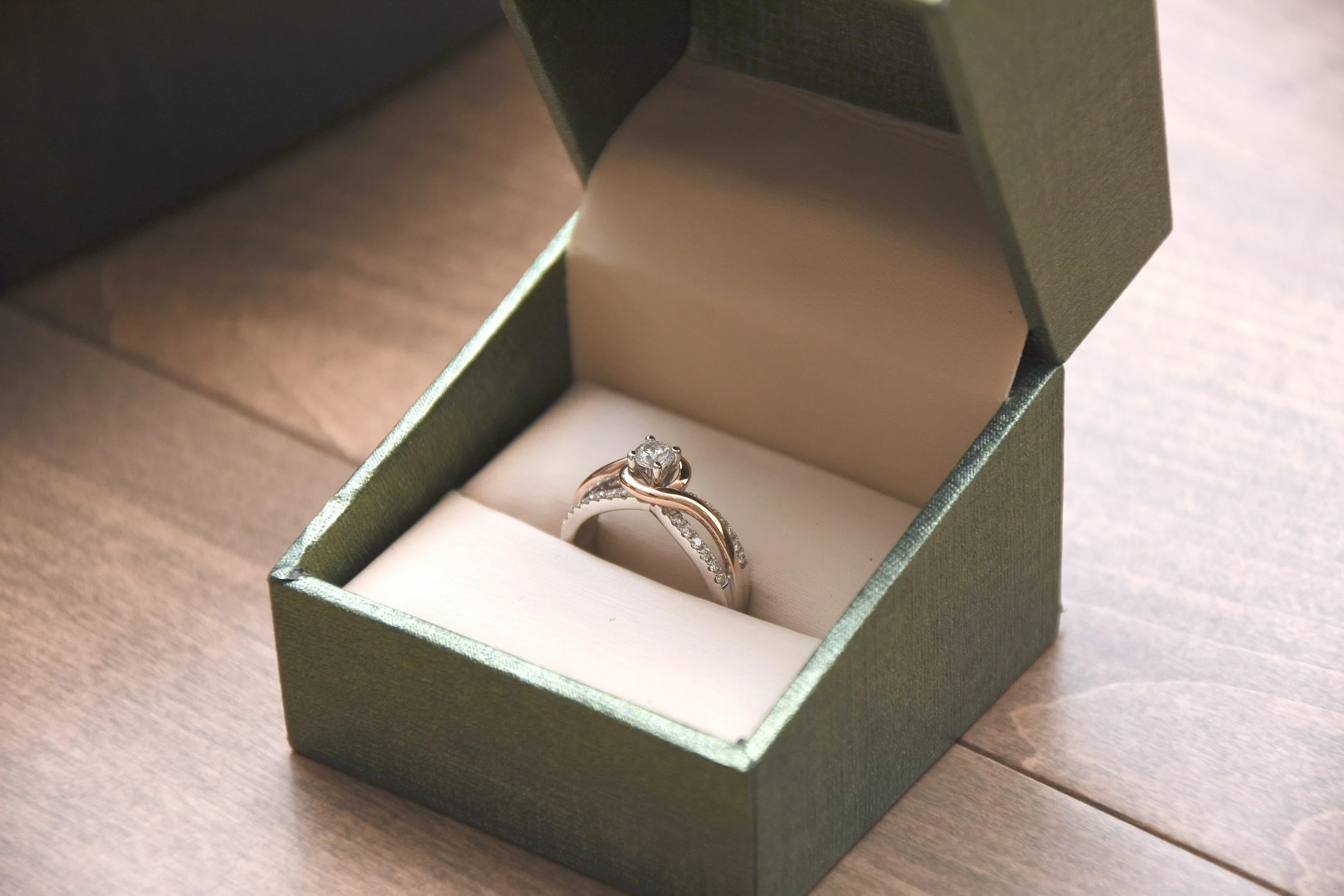
Your standard tenant policy will have limited coverage for certain items, such as rings and jewelry, bicycles, etc. We can schedule them on the policy specifically.
Frequently asked questions about tenant insurance
-
It’s not mandatory in Ontario, but still a great idea to have tenants insurance. Some landlords may ask you to have tenant insurance as a condition of your lease agreement. Be sure to clarify with your landlord, just in case.
-
Currently, no. The Landlord and Tenant Board does not allow landlords to force tenants to get insurance. A landlord can include tenant insurance as a clause in their lease agreement and may refuse to rent out to prospect tenants who do not want to get tenant insurance. It isn’t a legal obligation, but you’re likelier to find a place to rent if you are insured.
-
If the tenant was the one responsible for the damages, then the liability portion of that tenant’s insurance policy may help pay for the damages to the landlord’s property. Otherwise, that landlord should have their own property insurance to cover their property, and their policy would respond if an insured event were to damage their property.
-
As a renter, it can be tempting to cut costs by jumping onto a roommate’s insurance policy, but that’s not a good idea. If something happens, odds are you won’t be covered. Several roommates may be included in the same policy, but there are risks involved, like having your roommates’ claims impact your insurance history. The best solution is for each roommate to have their own coverage (ideally through the same company to simplify claims.)
-
With the increasing cost of claims, legal fees and the willingness of society to seek legal action, $2 million in coverage has become the new standard. Often times increments of $1 million in coverage come at a small price difference. Increasing your coverage from $1 million to $2 million may cost less than $20/year.
-
As a tenant, you do not own any part of the building so you’re not responsible for insuring it. You would not be responsible for building insurance unless you have a financial interest in the building like a co-op. Check your lease agreement to see if you’re responsible for the landlord’s deductible if there was a claim because of something caused by accident.
-
A formal lease isn’t always needed but recommended as it protects both you and your landlord and will outline the coverage and other responsibilities for each of you.
Save on property insurance with bundle discounts
Combine your home and auto coverage to save 10-20% on your premium.